BrANDUnhinged Marketing: Why Untethered Brands Take Off
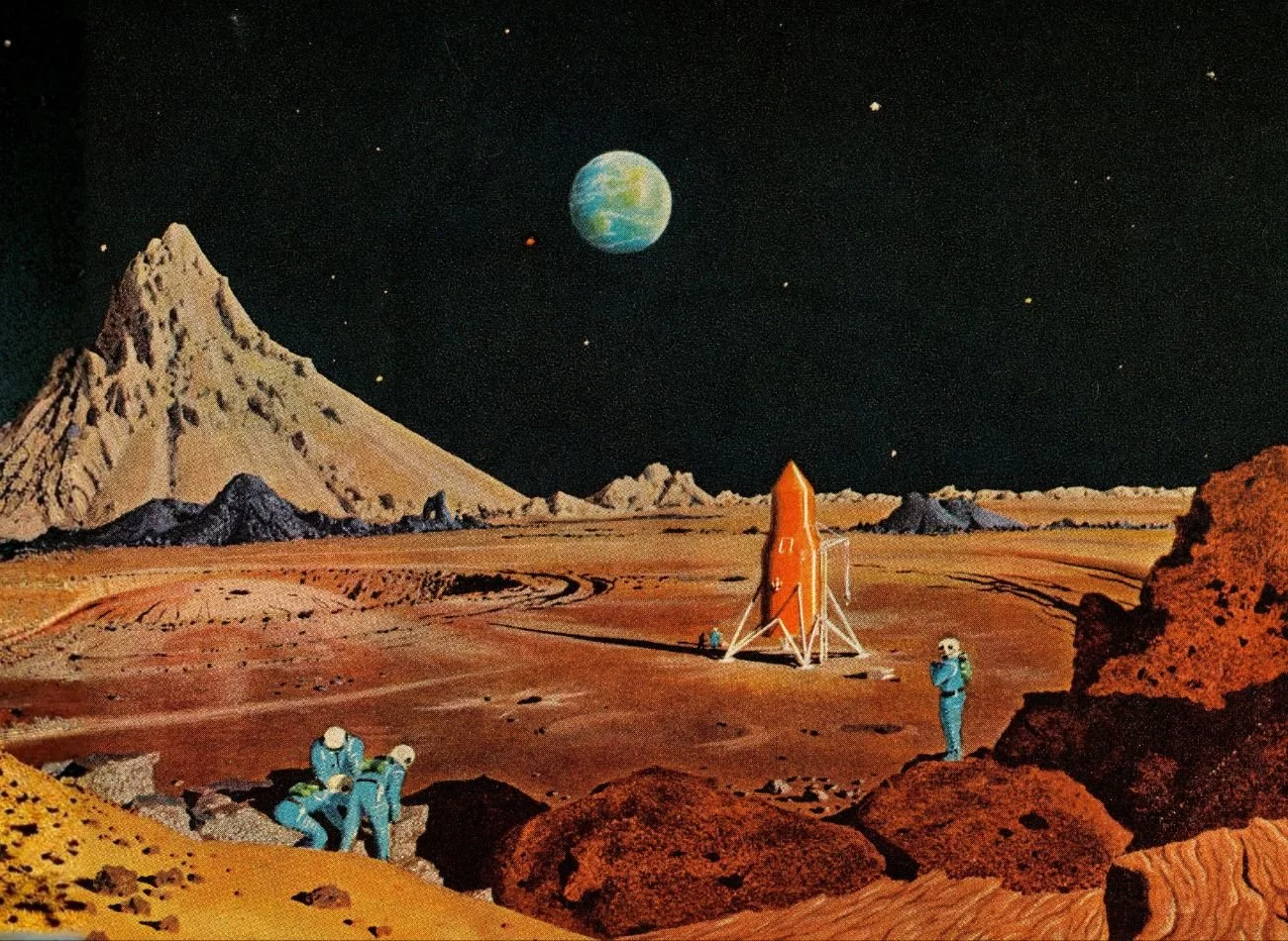
Sometimes the brands getting attention aren’t the most polished—they’re the ones willing to drift a little off orbit.
Conventional marketing. You see it everywhere. It stays safely in orbit: polished, predictable, and passed through so many approvals it’s lost all personality. The result looks like everything else in your feed.
It’s understandable. Marketing is expensive, visible, and expected to prove results fast. Playing it safe can feel like the smarter bet. But today, that orbit is crowded. Every brand circles the same platforms, recycling the same buzzwords, and chasing the same trends.
Unhinged marketing happens when a brand looks at all that and says nah, then cuts the cord. It’s cheeky, bold, sometimes absurd—but increasingly effective. Unhinged brands aren’t clueless or chaotic. They’re intentionally stepping outside the polished corporate playbook and leaning into something more human, cultural, and entertaining.
And that’s exactly why they take off.
Why Unhinged Marketing Works
Once a brand breaks from the expected pattern, attention follows.
Wendy’s figured that out in 2017. After McDonald’s announced on Twitter it used fresh beef in Quarter Pounders, Wendy’s shot back: “So you’ll still use frozen beef in MOST of your burgers? Asking for a friend.” The exchange went viral, cementing Wendy’s as the queen of the clapback.
Part of why it works is psychological. People scroll on autopilot, filtering out anything that looks like traditional marketing. When a brand behaves differently—looser tone, strange humor, more self-awareness—it interrupts that pattern. Instead of feeling like they’re being sold to, people are entertained or let in on the joke.
That shift matters. And because unhinged content is often built for the internet—quick, visual, and culturally fluent—it travels faster.
Brands Navigating the Unhinged Universe
Once you start looking for it, unhinged marketing is everywhere. The brands doing it well aren’t abandoning strategy—they’re trading polish for personality and the unexpected.
Dunkin’
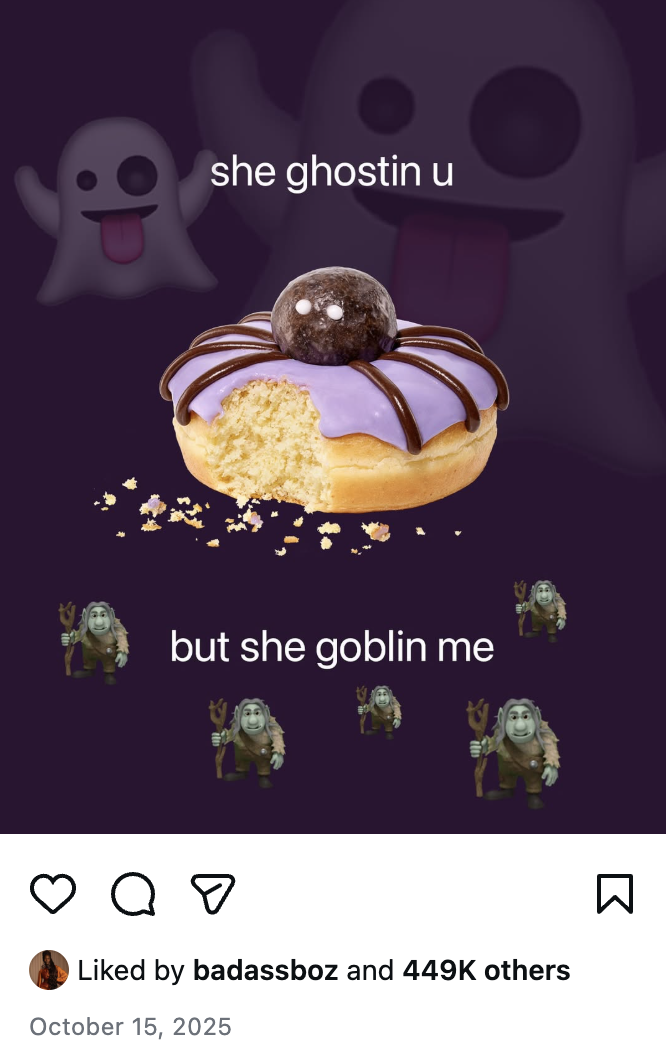
Dunkin embraces an unhinged sensibility with its viral Halloween “Spider Donut”—a donut hole turned into a googly-eyed spider with chocolate legs. Fans quickly nicknamed it “Spidey D,” and couldn’t decide whether it was adorable or terrifying. Dunkin leaned into the chaos, letting the meme do the marketing. It was strange, unnecessary, and highly shareable—the kind of moment polished marketing rarely produces.
Balenciaga
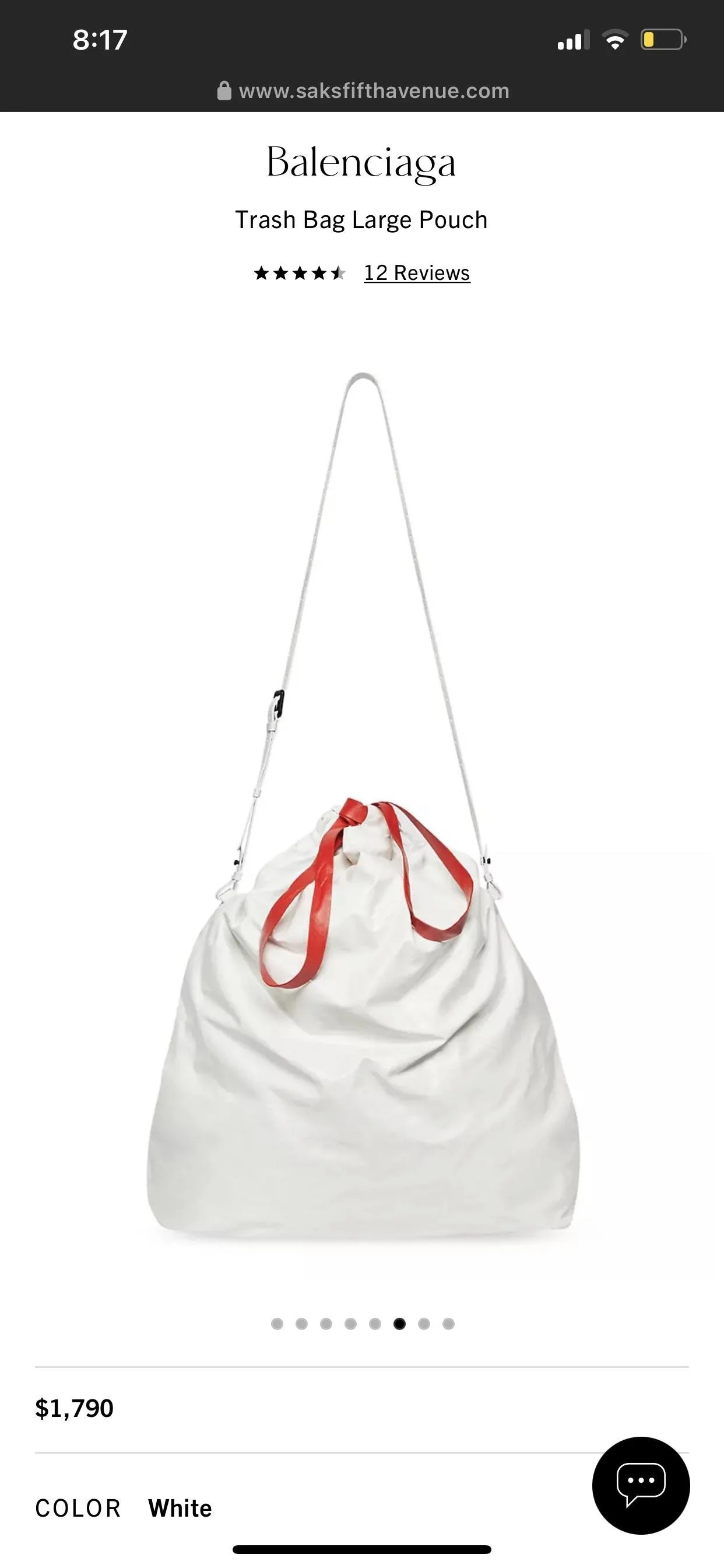
Luxury rarely goes unhinged, but Balenciaga has made it part of its identity. One of the most talked-about examples was its $1,790 “trash bag” handbag designed to look exactly like a garbage bag. The internet predictably lost its mind. Some mocked it, others defended it, but everyone talked about it. By leaning into the absurd, Balenciaga turned a ridiculous product into a cultural conversation.
Duolingo
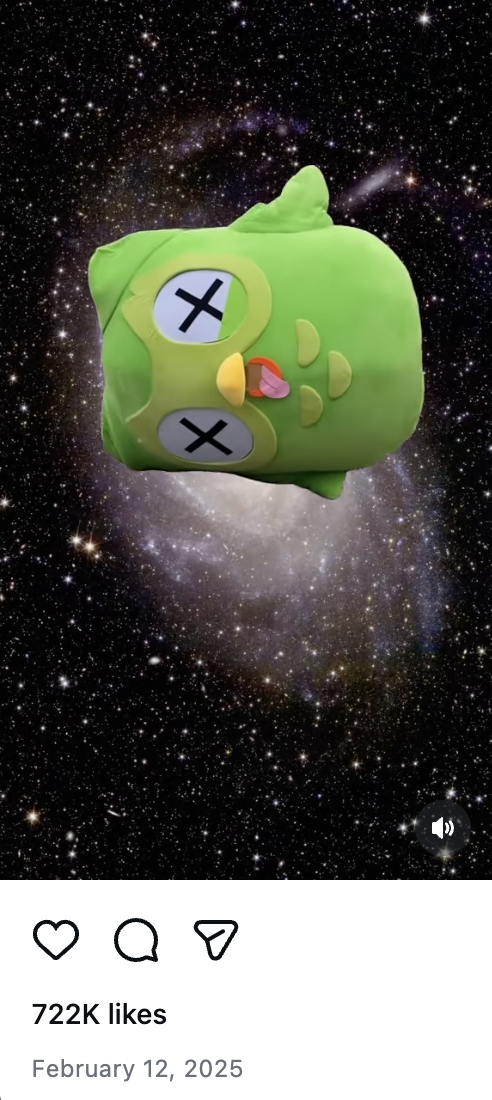
Duolingo remains the gold standard. On TikTok, its owl mascot has twerked, stalked users who skip lessons, and even “died” in a dramatic viral stunt when learners ignored their reminders. The humor is bizarre, self-aware, and unapologetically chaotic—but it works because the brand commits fully. The owl becomes a character who can behave in ways a traditional brand never could.
Gavin Newsom
Even politics has started borrowing from the playbook. California Governor Gavin Newsom’s recent social strategy has included trolling Donald Trump in Trump’s own language—through all-caps posts, absurd memes, parody merch, and a satirical memecoin tease. It’s looser, pettier, and more internet-native than traditional political messaging. In a space built on stiffness and scripts, that kind of parody works because it doesn’t just troll Trump—it shows how absurd his content already is.
The Fine Line Between Liftoff and Freefall
Not every brand can pull this off. A bank or healthcare provider suddenly acting chaotic online is less charming and more concerning. Unhinged marketing works best in categories that already have some room to be playful, self-aware, or a little provocative.
It also falls apart fast when it feels forced. Brands that chase memes they don’t understand, borrow internet language awkwardly, or mistake randomness for personality usually land in cringe territory.
The real power of unhinged marketing is delivering the unexpected. When it works, it feels fresh, intentional, and true to the brand—not like a desperate grab for attention. That’s what makes people pay attention. And it’s what helps brands take off.

Words by
Adrian Palacios
Published
FEBRUARY 1 2026EXPLORE MORE
A.M.O.R.: 4 Qualities of a Beloved Brand
Some brands are forever, others fade fast. Unpack the traits that turn everyday labels into lifelong loves.
Unhinged Marketing: Why Untethered Brands Take Off
Most marketing stays safely in orbit. Some brands get attention by drifting into the unknown.

Brand Marketing Is Not a Checklist
Get it together. It’s not about the activity—it’s about the impact. Here’s why busy to-do lists don’t build brands. Strategy and story do.